
Reform Hits Back as Labour Plans to End Pension Triple Lock
Nigel Farage has pledged that Reform UK will maintain the pension triple lock after Prime Minister Andy Burnham used his Labour Conference speech to confirm plans to change the guarantee after the next General Election.
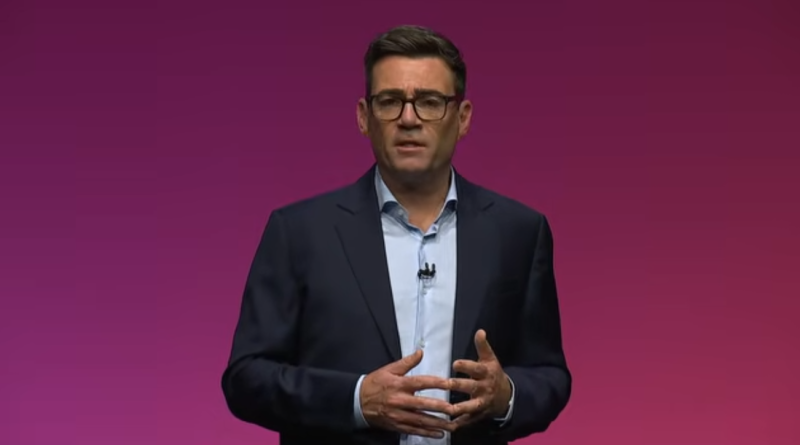
Prime Minister Andy Burnham has opened a major political battle over pensions after confirming at the Labour Party Conference that a future Labour government would end the state pension triple lock in its current form from April 2030.
The existing triple lock guarantees that the state pension rises each year by whichever is highest: inflation, average earnings growth or 2.5%.
Burnham confirmed following the next election, Labour’s proposed replacement would guarantee increases by at least inflation or 2.5%, removing the automatic link that currently allows pensions to rise in line with earnings when wage growth is higher.
Labour argues that money saved by changing the system would help fund its proposed National Care Service, which Burnham says would provide social care free at the point of use.
The Prime Minister presented the package as a new settlement for older people: a pension that continues increasing each year alongside the removal of care charges and the creation of a nationwide care service.
But Reform UK has reacted sharply, arguing that pensioners are once again being asked to shoulder the financial burden of government spending decisions.
Farage: Reform will maintain the Triple Lock
Reform UK leader Nigel Farage responded shortly after Burnham’s announcement by making clear that his party would retain the existing triple lock.
Farage accused the Prime Minister of abandoning his responsibility towards pensioners and questioned why Labour was looking towards pensions for savings rather than reducing spending elsewhere.
Reform’s official response highlighted welfare expenditure, access to benefits by migrants and foreign aid among the areas the party believes should be examined before reducing the generosity of pension increases.
Farage said:
“Reform UK will always protect our pensioners and maintain the triple lock.”
He also challenged Burnham to put the proposal before voters at a General Election if Labour intends to make such a fundamental change to pension policy.
That leaves a clear policy difference between the two parties going into the next election: Labour intends to change the triple lock from 2030, while Reform says it would maintain it.
Jenrick challenges Labour’s figures
Reform UK Shadow Chancellor Robert Jenrick has also criticised the announcement and questioned whether changing pension uprating would generate enough money to finance Labour’s social-care ambitions.
Jenrick argues that the pension changes would raise only a fraction of the money required and that Labour would therefore still need to find billions of pounds through additional revenue or spending decisions.
Reform’s published response says Jenrick estimates the pension change would cover around 20% of the amount required, leaving approximately £17 billion still to be found. Those figures are Reform’s estimates rather than independently established government costings, and Labour argues that the wider National Care Service package represents a better overall settlement for older people.
That disagreement is likely to become an important part of the debate: not simply whether Britain needs to reform social care, but who should pay for it.
What does this mean for pensioners?
For pensioners in Orpington and across the country, the distinction could eventually matter considerably.
Under today’s system, if average wages rise faster than both inflation and 2.5%, pensions rise by the earnings figure.
Under Labour’s proposed system after 2030, that earnings guarantee would disappear. Pensioners would still receive an annual increase of at least 2.5%, or inflation if inflation were higher.
Burnham has also pledged that pensioners relying solely on the state pension will not be brought into income tax during the current Parliament.
Labour says its proposal therefore needs to be considered alongside the benefit pensioners would receive from a National Care Service without care charges.
Reform’s response is that pensioners should not have to surrender part of the existing pension guarantee to fund it.
A major dividing line
Today’s announcement has therefore created a significant dividing line between Labour and Reform.
Burnham is asking voters to accept a less generous pension uprating mechanism after 2030 in exchange for a new approach to social care.
Farage is taking the opposite position: maintaining the existing triple lock and arguing that government should make different spending choices elsewhere.
The debate will ultimately come down to competing priorities for public spending — but pensioners now have considerably more clarity about what the two parties are proposing.
Labour has confirmed it intends to change the triple lock. Reform UK has confirmed it intends to keep it.